Combined Gastroscopy & Colonoscopy
Clear answers through a comprehensive examination of your digestive system
A combined gastroscopy and colonoscopy allows your specialist to examine both the upper and lower digestive tract during the same visit.
This highly accurate combination of procedures helps investigate symptoms such as abdominal pain, reflux, changes in bowel habits, rectal bleeding, unexplained anaemia, or other digestive concerns.
At Endoscopy Auckland, combined procedures are performed by experienced specialists in a purpose-built facility designed for comfort, safety, and efficiency.
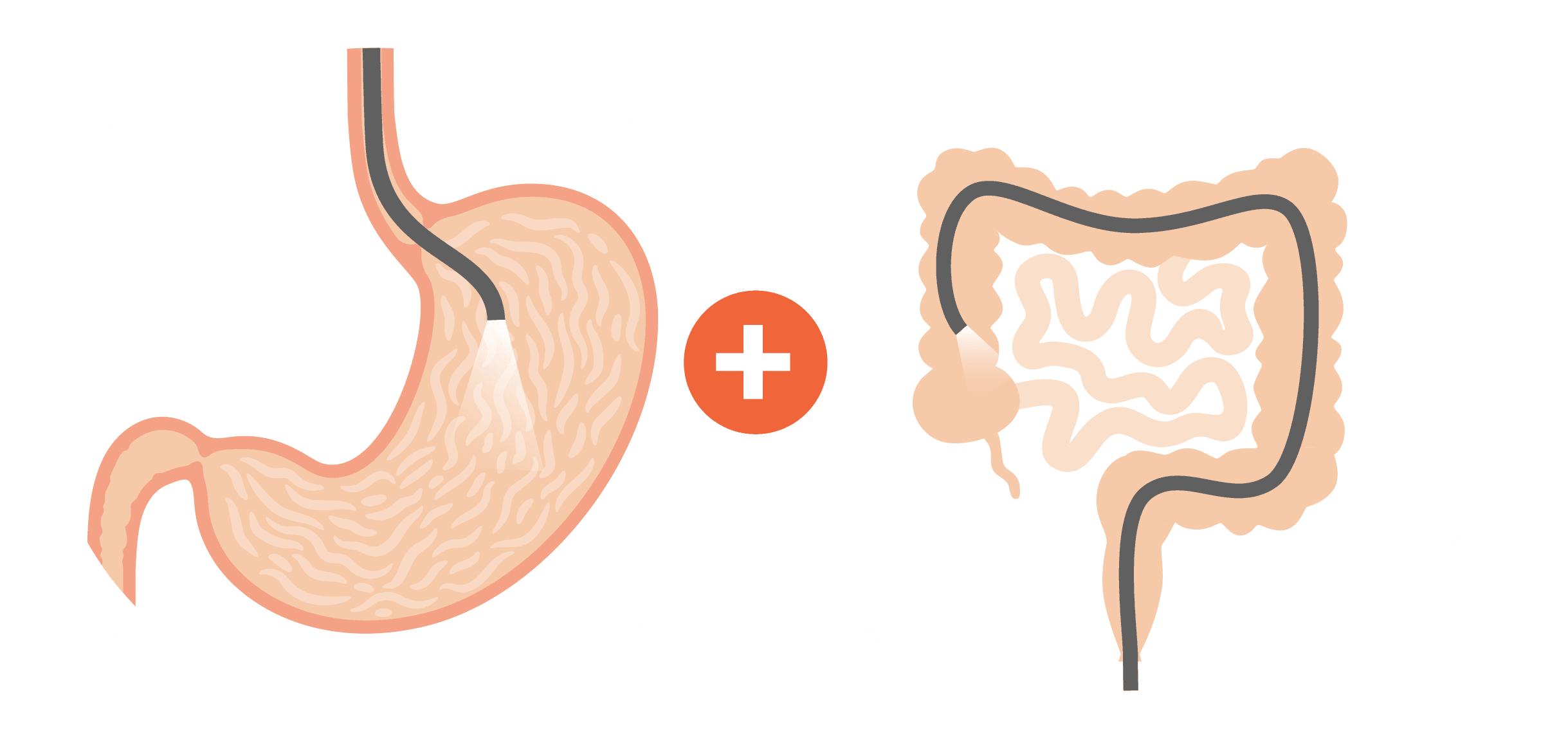
What is a combined gastroscopy and colonoscopy?
A combined procedure involves performing both a gastroscopy and colonoscopy while you are under the same sedation.
A gastroscopy examines the oesophagus, stomach, and first part of the small intestine (duodenum), while a colonoscopy examines the large intestine (colon) and rectum.
Thin, flexible scopes with tiny cameras allow your specialist to carefully examine the lining of your digestive tract in detail.
During the procedure, the specialist can also:
Take tissue samples (biopsies)
Remove polyps if required
Identify inflammation, ulcers, or abnormalities
Treat certain conditions if needed
Biopsies are painless and routine.
Removing polyps can help prevent bowel cancer from developing.
If a large polyp is removed, there is a small risk of bleeding afterwards. For this reason, we recommend avoiding overseas travel for two weeks following your procedure.
Why might I need a combined procedure?
Your doctor may recommend a combined gastroscopy and colonoscopy to investigate symptoms such as:
Abdominal pain
Reflux or persistent indigestion
Changes in bowel habits
Rectal bleeding
Difficulty swallowing
Persistent diarrhoea or constipation
Unexplained anaemia
Unintentional weight loss
Vomiting blood or passing black stools
It may also be used to investigate multiple symptoms affecting different parts of the digestive system during a single visit.
Preparing for your procedure
Preparation for a combined procedure is similar to colonoscopy preparation and involves clearing the bowel so the digestive tract can be examined clearly and safely.
This usually includes:
Following a low-fibre diet for several days beforehand
Taking laxatives and a bowel preparation solution as instructed (no prescription is required)
Fasting before the procedure
Adjusting certain medications if advised by your specialist or clinical team
You will receive detailed written instructions specific to your appointment.
Careful preparation is essential for an accurate and safe examination.
On the day of your procedure
When you arrive, our team will guide you through the admission process.
A nurse will:
Review your medical history
Confirm your medications and allergies
Check your preparation
Explain the procedure and answer any questions
Prepare you for the procedure
You will change into a gown before being taken into the procedure room.
What happens during the procedure?
You will be positioned comfortably.
A local anaesthetic spray may be used to numb the back of your throat, and sedation is usually given through a vein to help you feel relaxed throughout the procedure.
The gastroscopy is usually performed first, followed by the colonoscopy.
Most combined procedures take around 45 minutes, although your total time at the clinic will typically be 2–3 hours including preparation and recovery.
Most patients are pleasantly surprised by how straightforward the procedure is.
Is the procedure painful?
Most patients experience little or no pain due to sedation.
You may feel some mild bloating or cramping during or after the colonoscopy component of the procedure, but this usually settles quickly.
Many patients remember very little of the procedure afterwards.
After your procedure
Following the procedure, you will be taken to a recovery area to rest while the sedation wears off.
When you are awake:
Your specialist will explain the initial findings
You will receive a written summary
A report will be sent to your GP or referring doctor
You may feel bloated due to air introduced during the procedure, but this usually settles quickly.
If a large polyp is removed, we may recommend avoiding overseas travel for two weeks following your procedure due to a small risk of bleeding.
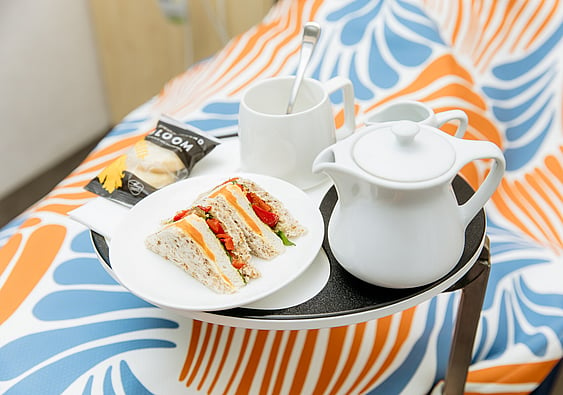
Before you leave, you will be offered a light snack and drink – including the fresh sandwiches many patients say are the highlight of their visit.
Our team will ensure you are feeling well enough to go home safely with your support person.
Most people return to normal activities the following day.
Going home after sedation
Sedation can affect your coordination, judgement and reaction time for several hours after your procedure.
You will need someone to drive you home and remain available to support you for the rest of the day.
Do not drive, operate machinery, use dangerous appliances or make important decisions until the following day, and avoid alcohol.
We also recommend avoiding social media or online activity while the effects of sedation remain.
Results and follow-up
If biopsies are taken or polyps removed, results are usually available within two weeks.
Your specialist will review the results and communicate them to your GP or referring doctor.
Safety and risks
Combined gastroscopy and colonoscopy procedures are considered very safe, and serious complications are rare.
Potential risks include:
Reaction to sedation
Bleeding (especially if polyps are removed or biopsies taken)
Perforation (a tear in the digestive tract or bowel wall – very uncommon)
Infection (extremely rare due to rigorous industry-leading reprocessing and infection prevention standards)
If you experience severe abdominal pain, persistent vomiting, fever, black stools, persistent bleeding, or difficulty swallowing after your procedure, please seek medical attention immediately.
When to contact us
Contact your Specialist or Endoscopy Auckland if you experience:
Severe or worsening abdominal pain
Persistent vomiting
Fever
Vomiting
Inability to pass gas or stool
Need more information?
If you have any concerns before your procedure, our team will be happy to help.

ENDOSCOPY AUCKLAND
22 Kipling Ave, Epsom, Auckland 1023
0800 ENDOSCOPY (0800 363 672) or (09) 623 2020
LAPAROSCOPY AUCKLAND (Surgical Services)
148 Gillies Ave, Epsom, Auckland 1023
0800 527 276 or (09) 623 8525.
Website →
