Gastroscopy
Clear answers for symptoms affecting your upper digestive system
A gastroscopy is a safe and highly accurate procedure used to examine the oesophagus, stomach, and first part of the small intestine (duodenum).
It allows specialists to diagnose the cause of symptoms such as persistent indigestion, reflux, abdominal pain, difficulty swallowing, anaemia, or unexplained bleeding.
At Endoscopy Auckland, gastroscopy is performed by experienced specialists in a modern, purpose-built facility designed for comfort, safety, and efficiency.
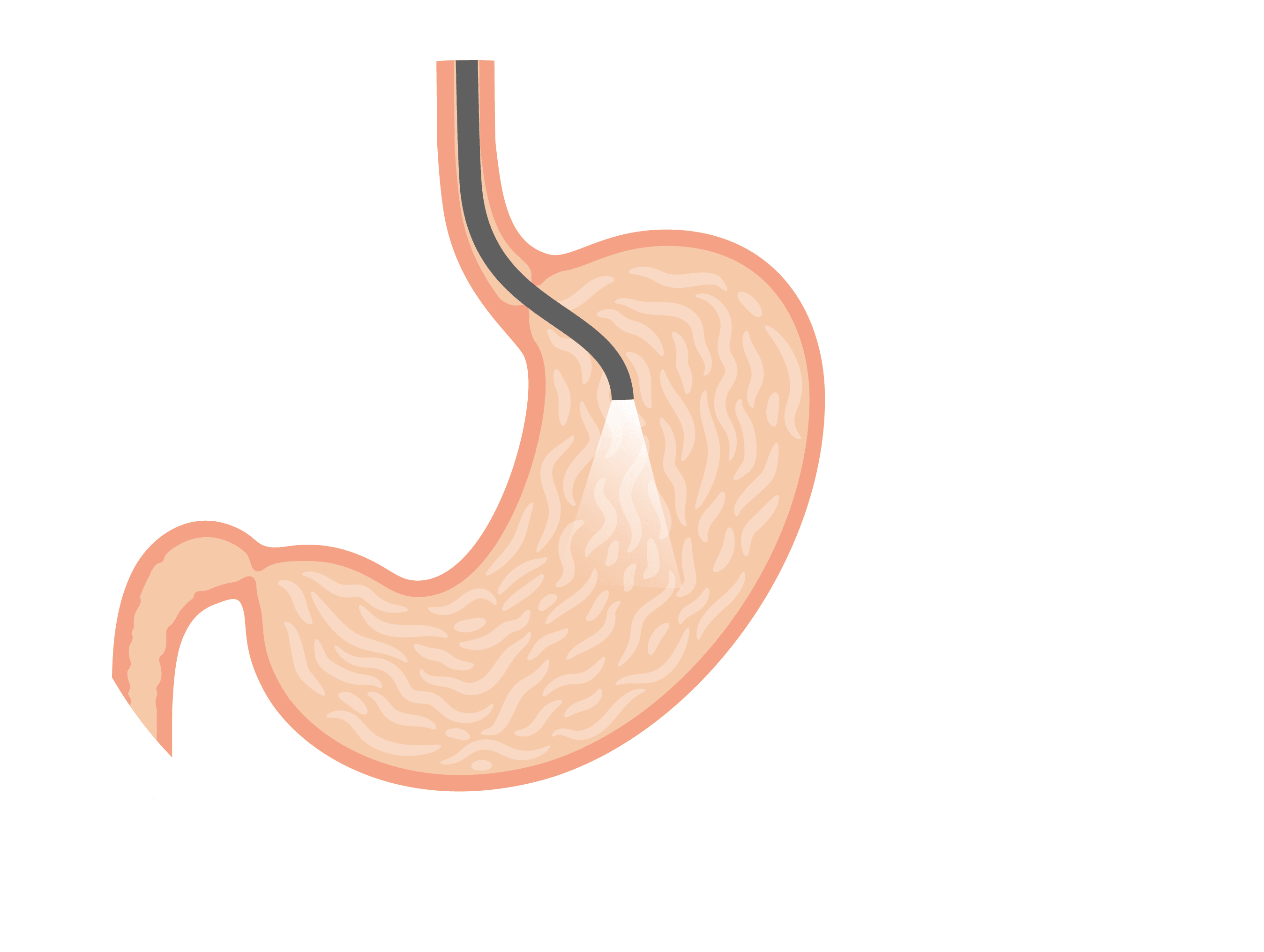
What is a gastroscopy?
A gastroscopy involves passing a thin, flexible tube (endoscope) through the mouth and into the digestive tract.
The endoscope has a light and tiny camera at its tip, allowing your specialist to examine the lining of the upper gastrointestinal tract in detail.
During the procedure, the specialist can also:
Take small tissue samples (biopsies) for laboratory testing
Identify inflammation, ulcers, or abnormalities
Treat certain conditions if required
Biopsies are painless and routine.
Why might I need a gastroscopy?
Your doctor may recommend a gastroscopy to investigate symptoms such as:
Persistent indigestion or heartburn
Difficulty swallowing
Upper abdominal pain
Nausea or vomiting
Anaemia
Unexplained weight loss
Vomiting blood or passing black stools
It may also be used to monitor known conditions or follow up previous findings.
Preparing for your gastroscopy
Preparation is simple but important.
You will usually need to fast before the procedure to ensure the stomach is empty and the examination can be performed safely.
Typical preparation includes:
No food for approximately 6 hours before your appointment
Clear fluids allowed up to approximately 2 hours beforehand
You will receive detailed instructions specific to your appointment.
If you take regular medications, please follow the advice provided in your preparation instructions.
On the day of your procedure
When you arrive, our team will guide you through the admission process.
A nurse will:
Review your medical history
Confirm medications and allergies
Check your preparation
Provide a full explanation of the intended process
Answer any questions
Prepare you for the procedure
You will then be taken to the procedure room.
What happens during the procedure?
You will be positioned comfortably.
To help you feel as relaxed as possible:
A local anaesthetic spray is applied to numb the back of your throat
Sedation is usually given through a vein to help you relax
The endoscope is gently guided through the mouth into the digestive tract.
Most gastroscopy procedures take around 15–30 minutes, although your total time at the clinic will be approximately 1–1.5 hours including preparation and recovery.
Most patients are pleasantly surprised by how straightforward the procedure is.
Is gastroscopy painful?
Gastroscopy is generally not painful.
The throat spray reduces discomfort, and sedation helps you feel relaxed and drowsy.
Many patients remember little or nothing of the procedure.
You may experience mild throat discomfort afterwards, which usually settles quickly.
After your gastroscopy
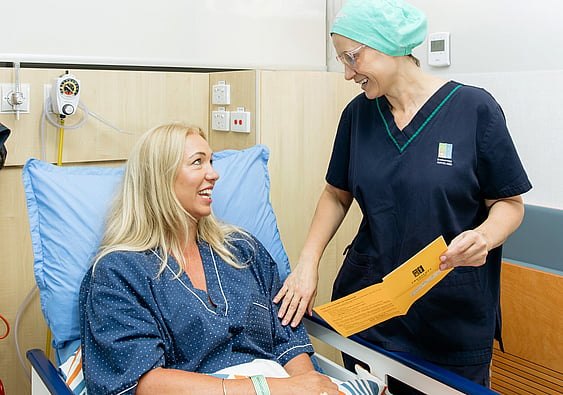
Following the procedure, you will be taken back to your room to rest while the sedation wears off.
When you are awake:
Your specialist will discuss the initial findings
You will receive a written summary for your reference
A report will be sent to your GP or referring doctor
Because of sedation, you may not clearly remember the discussion – this is normal.
Before you leave, you will be offered a light snack and drink – including the fresh sandwiches many patients say are the highlight of their visit.
Staff will ensure you are feeling well enough to leave, at which time your support person can collect you
Most people return to normal activities the following day.
Going home after sedation
Sedation can affect your coordination, judgement and reaction time for several hours after your procedure.
You will need someone to drive you home and remain available to support you for the rest of the day.
Do not drive, operate machinery, use dangerous appliances or make important decisions until the following day, and avoid alcohol.
We also recommend avoiding social media or online activity while the effects of sedation remain.
Results and follow-up
If biopsies are taken, results are usually available within two weeks.
Your specialist will review the results and communicate them to your GP or referring doctor.
Safety and risks
Gastroscopy is considered a very safe procedure, and serious complications are rare.
Potential risks include:
Reaction to sedation
Bleeding (usually minor, especially if biopsies are taken)
Perforation (a tear in the digestive tract wall – very uncommon)
Infection (extremely rare due to rigorous industry-leading reprocessing and infection prevention standards)
If you experience severe abdominal pain, persistent vomiting, fever, black stools, or bleeding after your procedure, please seek medical attention immediately.
When to contact us
Contact your Specialist or Endoscopy Auckland if you experience:
Severe or worsening pain
Persistent vomiting
Fever
Difficulty swallowing
Bleeding
Need more information?
If you are unsure which procedure you require, please speak with your GP or referring doctor. You are also welcome to contact our team for general guidance.


ENDOSCOPY AUCKLAND
22 Kipling Ave, Epsom, Auckland 1023
0800 ENDOSCOPY (0800 363 672) or (09) 623 2020
LAPAROSCOPY AUCKLAND (Surgical Services)
148 Gillies Ave, Epsom, Auckland 1023
0800 527 276 or (09) 623 8525.
Website →
